
Cholo Bagger vs Club Style Bagger: Style and Gear Differences
When you’re rolling through a cruise night, the difference between a cholo bagger and a club style bagger is as visible as paint and chrome. Both are born from the same DNA—lowrider culture, clean aesthetics, and a commitment to the game—but the execution, the kit choices, and the vibe tell two different stories.
I’ve spent years watching builds come together in my garage and at shows, and I’ve learned that understanding these distinctions isn’t just about style; it’s about making smarter choices when you’re investing in upgrades, security, and that finishing touch that makes your machine yours. Whether you’re building from scratch or dialing in what you’ve got, knowing where cholo baggers and club style baggers diverge will save you money and help you stay true to your vision.
Key Takeaways
- Cholo baggers emphasize heavy chrome detailing, hydraulics knowledge, and street-proven aesthetics rooted in 1970s–90s Chicano lowrider culture.
- Club style baggers prioritize touring comfort, organized group identity, and chrome accents balanced with modern road performance.
- Whitewall tires, extended fenders, and custom mirrors are staples in both; the difference lies in proportion and installation philosophy.
- Security gear, cruise kits, and maintenance tools vary in priority: cholo builders often invest in steering locks and show protection; club riders focus on GPS and group communication systems.
- Choosing your lane early—cholo or club—shapes everything from your wheel choice to your chrome care routine and where you source parts.
Understanding the Roots: Where Cholo and Club Baggers Come From
The cholo bagger emerged from decades of Chicano car culture in the American Southwest and California. What started in the 1950s with modified Cadillacs and Impalas evolved into a distinct motorcycle philosophy by the 1990s: bikes that sat low, screamed chrome, and made a statement at a standstill. These weren’t touring rigs first; they were rolling art galleries—built to turn heads at car shows, cruise nights, and family gatherings.
Club style baggers, by contrast, grew out of organized motorcycle clubs and touring brotherhood. They borrowed aesthetic cues from cruiser and touring culture but adapted the lowrider silhouette. Club baggers are ridden to rallies, across state lines, and to chapter meets. They’re solid machines that perform on the highway while maintaining that clean, low-slung profile.
Both deserve respect. Both require investment. But the philosophy behind each build shapes every decision you make—from the first chrome piece you polish to the security system you bolt on.
Aesthetic and Visual DNA: How to Spot the Difference
Cholo Baggers: Maximum Chrome, Presence Over Performance
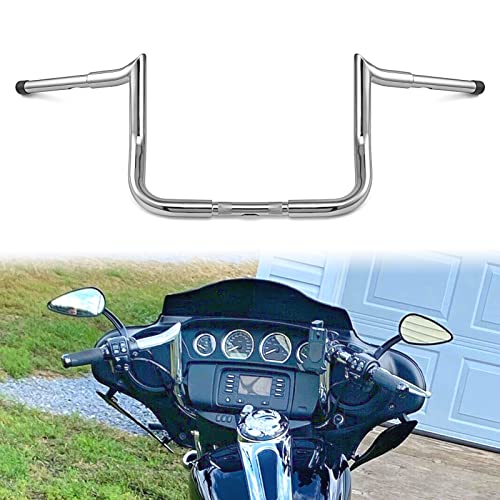
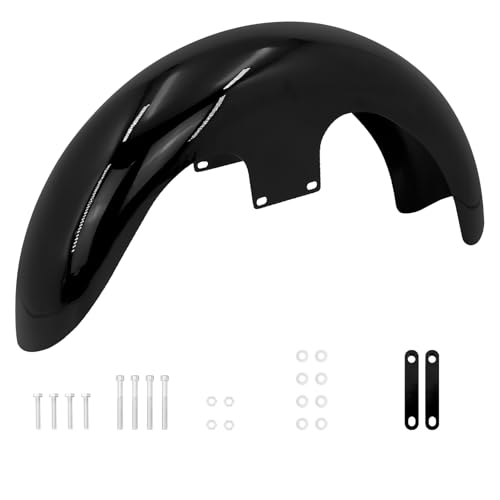
A proper cholo bagger is a chrome symphony. We’re talking extended whitewall tire packages—sometimes 150mm walls—paired with dramatically extended fenders and custom fender flares. The bars are high, swept, and often wrapped in custom grips. The tank is usually chromed or polished to a mirror finish, and the engine is a showpiece: finned covers, chromed air cleaners, and polished rocker covers.
Paint on a cholo bagger tells a story. You’ll see deep candies, two-tones with intricate graphics, and pinstripe details. The chrome is everywhere: mirrors, turn signal bezels, fuel door covers, brake lever covers, shifter pegs. I’ve seen builders invest hundreds just in small-displacement chrome accent pieces.
The stance is aggressive low—we’re talking 4–6 inches of ground clearance in some cases. The wheels are often 18-inch or larger, chrome spoked, and wrapped in that signature whitewall rubber.
Club Style Baggers: Chrome Accents, Function First
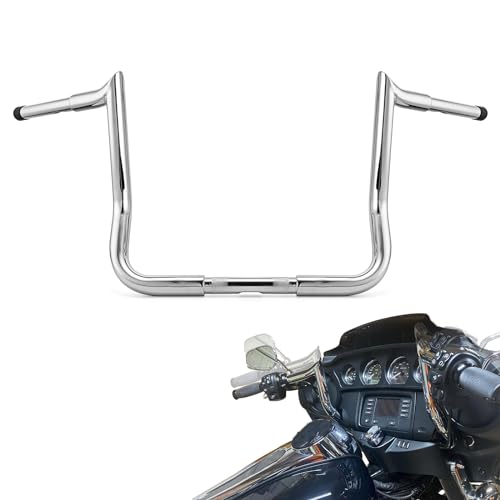
Club baggers maintain the lowrider silhouette but dial back the chrome density. You’ll see quality whitewall tires—typically 80–120mm walls—paired with stock or slightly extended fenders. The aesthetic is cleaner, less ornamental. Bars might be mid-rise or highway-friendly. Paint is solid or subtle two-tone; graphics are restrained or absent.
Chrome is present but purposeful: mirrors, trim rings, and accent pieces that don’t interfere with touring function. The engine is finished nicely but isn’t the centerpiece the way it is on a cholo build.
Club baggers sit lower than stock cruisers but higher than cholo baggers—usually 2–4 inches of clearance. This balance allows better cornering on longer rides without sacrificing that signature vibe.
The visual difference? A cholo bagger stops traffic at a light. A club style bagger rolls into a rally and fits in seamlessly with other chapter members while still looking distinctly different from a touring Harley.
Gear, Tools, and Build Priorities: Where Your Budget Goes
| Category | Cholo Bagger | Club Style Bagger |
|---|---|---|
| Whitewall Tires | 150mm+ sidewalls, premium compound | 80–120mm sidewalls, touring-rated |
| Chrome Accessories | 50+ small pieces; engine-focused | 15–25 pieces; mirrors, trim, accents |
| Paint Investment | Custom graphics, candy, pinstripe | Solid colors or subtle two-tone |
| Fenders & Flares | Stretched 4–6 inches; custom molded | Stock or extended 1–2 inches |
| Bars & Controls | High swept, custom wraps, extended reach | Mid-rise or stock, touring ergonomics |
| Security Gear Priority | Steering lock, alarm, show protection | GPS, group communication, theft tracking |
| Maintenance Tools | Heavy-duty chrome polish, soft buffers, detail brushes | All-season cleaner, quick-wax spray, tire shine |
| Sound System | Rarely installed; street credibility | Optional; highway-touring focused |
| Lighting Upgrades | Neon, underglow, accent LEDs | LED turn signals, headlight upgrades |
| Show Kit Budget | $800–$2,500+ | $300–$800 |
Cholo Bagger Gear Philosophy
Building a cholo bagger means accepting that some purchases are for the show, not the road. You’re investing in pieces that make sense at a standstill or in a parking lot.
Chrome Cleaner and Polish are essential. I use a multi-stage approach: a degreaser first, then a dedicated chrome polish, then a protective wax. On a cholo bagger with 50+ chrome pieces, you’re talking multiple hours a month just to keep everything mirror-bright. Budget for premium microfiber cloths, soft buffing pads, and touch-up polishes. Cheap tools scratch—and on show chrome, scratches are visible from six feet away.
Whitewall Tire Protectant is non-negotiable. Those 150mm walls are selling points, and a dirty, oxidized whitewall kills the whole aesthetic. Specialized whitwall cleaners and long-lasting protectants are worth buying.
Steering Lock and Alarm System: Cholo baggers are targets. You’re investing thousands in a low-rider that sits in parking lots at cruise nights, car shows, and street gatherings. A heavy-duty steering lock, disk brake lock, and motion-sensor alarm are baseline security. I always recommend chaining the bike when possible and considering GPS tracking—especially if you’ve installed high-end audio or custom seats.
Detail Kit: Soft brass brushes (not steel), microfiber cloths in multiple grades, compressed air for hard-to-reach chrome crevices, and cotton swabs for detail work. A cholo bagger build is as much about maintenance as construction.
Club Style Bagger Gear Philosophy
Club riders prioritize function that looks good. Your gear choices reflect longer rides, group activities, and the need to communicate.
All-Season Cleaner and Quick Protectant are staples. You’re managing road grime, bug splatter, and salt from the highway. Fast-dry, high-protection products that don’t require extensive buffing are practical. You’ll clean this bike weekly during riding season.
GPS and Group Communication: A quality GPS unit mounted securely and a Bluetooth intercom system for group rides are investments that cholo baggers often skip. Club riders value real-time nav and the ability to stay in touch with chapter members on long runs.
Tire Maintenance Tools: A quality portable air pump, tire pressure gauge, and plug kit live in your saddlebags. Club baggers rack up miles; tire management is critical.
Security Tailored to Parking Lots: GPS tracking, a solid U-lock for the frame, and a wireless alarm are your focus. You’re less concerned about parking lot shows and more about recovering a stolen bike from the highway.
Roadside Kit: Spare fuses, wire, basic hand tools, spare belts (if chain-drive), and a first-aid kit. Club riders prepare for two-day runs and chapter rallies where a breakdown means group problem-solving.
Chrome Care and Maintenance: The Never-Ending Story
I’ll be honest: owning any chrome-heavy bagger means accepting that polish and cloth become part of your life. But the approach differs between styles.
Cholo Bagger Chrome Care
Your chrome is a statement piece. I treat mine like it’s for a show even when it’s just for Tuesday night at the local parking lot.
Monthly, I do a deep clean: degreaser, then chrome polish with a dedicated pad, then protective wax. For heavy oxidation or water spots, I use a specialized chrome restorer before moving to polish. I keep microfiber cloths separated—clean ones for final buffing, older ones for initial wipe-downs.
For small accent pieces—mirror bezels, turn signal covers, fuel door trim—I use soft brass brushes and cotton swabs to avoid scratches on reflective surfaces. It takes time, but there’s no shortcut to show-quality chrome.
Between shows or major rides, I do a quick wipe-down with a microfiber cloth and a light protective spray. This prevents oxidation from sitting moisture and keeps fingerprints off when the bike is parked.
Club Style Bagger Chrome Care
You’re maintaining function over perfection. Monthly deep cleaning, weekly wipe-downs, and practical protectants keep everything looking good without consuming your entire weekend.
An all-season cleaner that dries fast and doesn’t leave streaks is your friend. A quick buff with microfiber, and you’re done. Chrome that’s clean and protected beats perfect chrome that requires constant maintenance.
For mirrors and functional pieces, durability matters more than mirror-finish polish. You’ll use products that resist water spotting and oxidation rather than products that require buffing to shine.
Security and Locking Solutions: Protecting Your Investment
Cholo baggers and club baggers attract different theft profiles—and the security gear reflects that reality.
Cholo Bagger Security
Street parking at cruise nights and car shows is part of the lifestyle. Your bike is visible, valuable, and sometimes parked alongside dozens of other machines. Comprehensive security is smart:
- Heavy-duty steering lock: A motorcycle-specific steering lock that engages both the steering column and brake lever prevents joy-rides and makes quick theft harder.
- Disk brake lock: Highly visible, loud alarm if disturbed, and a deterrent that says your bike is defended.
- Motion-sensor alarm: A small, aftermarket wireless alarm that triggers if someone approaches or moves the bike gives you peace of mind and audible deterrent.
- GPS tracker: Hidden in the frame or under a seat, a compact GPS unit lets you locate the bike if it’s stolen. Clip-mount or hardwired options both work.
I’ve seen too many beautiful baggers parked at shows only to go missing overnight. An extra $200–$400 in security gear is cheaper than a $15,000 bike.
Club Style Bagger Security
You’re riding longer distances and parking in varied environments—sometimes at a motel, sometimes at a chapter member’s garage, sometimes at a rally venue. Portability and reliability matter:
- U-lock rated for motorcycles: A high-grade U-lock that threads through the frame and a fixed object is portable and proven.
- GPS tracker: Especially valuable for multi-day rides where the bike might be parked overnight in unfamiliar locations.
- Wireless motion alarm: Compact, battery-powered, and effective for alerting you if someone disturbs the bike at a rally or motel parking lot.
- Redundant locking: Chain the bike to a fixed object whenever possible, and use both the steering lock and brake lock together.
Club riders invest in security that travels well and works across different scenarios. You’re not parking at the same show every week; you’re riding to new places.
Building Your Cruise Kit: Show Night Essentials
This is where the two styles converge slightly but still reflect different priorities.
Cholo Bagger Cruise Kit
You’re heading to a Saturday night cruise, a car show, or a informal gathering. Your kit is about presenting your machine:
- Chrome polish and microfiber cloths: A quick touch-up before parking keeps everything shining.
- Tire shine: Fresh whitewall protection makes those walls pop.
- Detail brush and compressed air: Remove dust and debris from small chrome crevices before people start looking closely.
- Business cards or stickers: Some builders have custom cards or decals to hand out; it’s part of the scene.
- Basic tools: A small multi-tool, spare key, and a plug kit in your saddlebags.
- First-aid kit and sunscreen: Street credibility doesn’t mean ignoring basic health.
The cruise kit is small, portable, and focused on keeping your machine camera-ready. I keep mine in a compact bag under my seat.
Club Style Bagger Cruise Kit
You’re heading to a chapter ride, a multi-day rally, or a touring event. Your kit is functional and prepared:
- Quick-dry cleaner and protectant: Fast maintenance without long buffing.
- Basic hand tools: Adjusted tools for your specific bike (wrench set, screwdrivers, pliers, hex keys).
- Tire repair kit and portable pump: Not just for you; for chapter mates if needed.
- First-aid kit and sunscreen: Non-negotiable.
- Spare fuses, spare belt or chain links, spare bulbs: Parts that fail on the road.
- Group communication devices: Charging cable for intercom systems, spare battery packs.
- Riding gloves, rain gear, and an extra layer: You’re riding in all conditions with your club.
- Food, water, and electrolyte replacements: Long rides demand hydration and fuel.
Your cruise kit is larger and more self-sufficient. It reflects the reality that you might be 200 miles from home and need to solve problems on the spot.
Wheel, Tire, and Stance Choices: The Foundation of Your Look
Wheels and tires are where the visual and functional differences become clear.
Cholo Bagger Wheels and Tires
You’re typically running 18-inch or larger spoked or custom wheels in chrome, polished aluminum, or two-tone. The larger wheel size emphasizes the custom look and supports those massive whitewall tires—often 150mm or wider.
The tire choice is about presence: maximum sidewall, premium rubber (usually a cruiser or cruiser-touring compound), and that signature white stripe. Brands that offer aggressive whitewall patterns and durable compounds are standard. Tire pressure runs slightly lower than club baggers—you’re prioritizing that deep, planted look and accepting that fuel economy and cornering speed take a backseat.
Ground clearance sits at 4–6 inches, sometimes less. It’s a show-stopping stance that requires careful speed management on off-camber roads.
Club Style Bagger Wheels and Tires
You’re usually running 17-inch or 18-inch wheels, often a design that balances custom style with weight distribution and performance. Chrome or polished aluminum is typical, but some club riders prefer a matte or satin finish for durability over show polish.
Whitewall tires are smaller—80–120mm walls—and are selected for durability and highway performance. Touring-rated compounds grip better in varied weather and last longer at sustained speeds. The look is still distinctive, but it’s refined rather than maximalist.
Ground clearance is 2–4 inches, allowing better cornering confidence and easier pushoff from stops. You’re building a machine that looks stunning at 30 mph in a parking lot and handles curves at highway speeds.
Paint, Graphics, and Personalization: Making It Yours
Paint is where personal identity really shows.
Cholo Bagger Paint
Deep, multi-stage candy colors—burgundy, cobalt, midnight purple—are common. Two-tone panels with ghost graphics, airbrushed scenes, or pinstripe detail are expected. The paint job is art; it tells a story and often reflects family heritage, neighborhood pride, or a specific theme.
Matte clear or gloss clear protection tops it all, and the bike gets re-clearcoated periodically to maintain depth and protect custom work. A high-quality paint job on a cholo bagger can cost $3,000–$8,000, and that’s an investment builders make early because it defines the machine’s personality.
Club Style Bagger Paint
Solid colors or subtle two-tone designs are standard. Many club riders use a house color—black, dark blue, or burgundy that matches chapter identity—sometimes with simple chapter markings or a club logo on the tank or fender. Graphics are minimal or absent; clean lines and finish quality matter more than artistic detail.
Paint protection is practical: a quality clear coat that resists weathering and UV damage, with touch-ups handled as needed. A solid paint job on a club bagger might cost $1,000–$2,500, and the emphasis is on durability rather than artistic transformation.
FAQ
What’s the Main Difference Between Cholo and Club Style Baggers?
Cholo baggers prioritize visual impact and street presence—they’re built to turn heads in parking lots and at cruise nights. Think maximum chrome, dramatic fenders, deep custom paint, and that low, planted stance. Club style baggers prioritize touring functionality with lowrider aesthetics—they’re built to ride long distances, travel as a group, and maintain that clean, low-slung profile without sacrificing performance. Cholo baggers are art on two wheels; club baggers are reliable machines that look phenomenal.
Can I Transition Between Styles, or Do I Have to Commit to One?
You can absolutely borrow elements from both approaches, but mixing too much dilutes the identity of your build. A cholo bagger with a GPS unit and long-distance seat comfort is still a cholo bagger; it just rides longer. A club bagger with extended fenders and custom paint is still a club bagger; it just turns more heads. The honest move is deciding where your soul lives—at the cruise night or on the highway—and making your gear choices reflect that. I’ve seen hybrids work beautifully when they’re intentional rather than indecisive.
How Much Should I Budget for Chrome and Maintenance on a Cholo Bagger?
Initial chrome package (mirrors, accent pieces, engine covers, trim rings) runs $1,500–$4,000 depending on quality and quantity. Monthly maintenance with polish, protectant, and detail work costs $50–$100 in supplies. Yearly, budget $600–$1,200 just for chrome care if you’re serious about show quality. It’s an ongoing expense; chrome isn’t a set-it-and-forget-it investment. Club baggers typically spend half that on chrome and maintenance because the pieces are fewer and the expectation for mirror finish is lower.
Should I Get GPS and a Group Communication System If I’m Building a Cholo Bagger?
Not essential—many cholo riders skip both because their machines are primarily street-parked and local-loop ridden. But I’d still recommend a GPS tracker hidden in the frame for theft recovery and a basic Bluetooth speaker system if you ride with family or a regular crew. A steering lock and alarm should come first; those are the real protective essentials. Club riders benefit more from intercom systems and real-time navigation, but adding them to a cholo bagger doesn’t hurt the vibe.
What Whitewall Tire Size Should I Choose, and Does It Differ Between Styles?
Cholo baggers typically run 140–180mm whitewall walls for maximum visual impact. Club baggers usually run 80–120mm for a clean look that doesn’t compromise handling and fuel economy too much. The difference is dramatic: a 150mm wall is about an inch and a half of white rubber; an 80mm wall is closer to a half-inch. Visit a few cruise nights and look at what catches your eye. That’s your answer. Ride quality, ground clearance, and how your fenders proportion matter too—a stretched cholo fender looks right with fat whitewalls, but a stock club fender can look overdone with the same setup.
How Important Is Group Identity in Club Style Baggers?
Very important. Many club riders run house colors, chapter logos, and matching paint schemes that signal membership and brotherhood. It’s part of the appeal—you’re part of something larger, and your machine reflects that. Cholo baggers, by contrast, are more individually expressive; they represent family, neighborhood, or personal achievement. If you’re joining an MC, expect pressure to align paint and branding with the club. If you’re building solo in the cholo tradition, go full personal expression. Both approaches are valid; just know the culture going in.