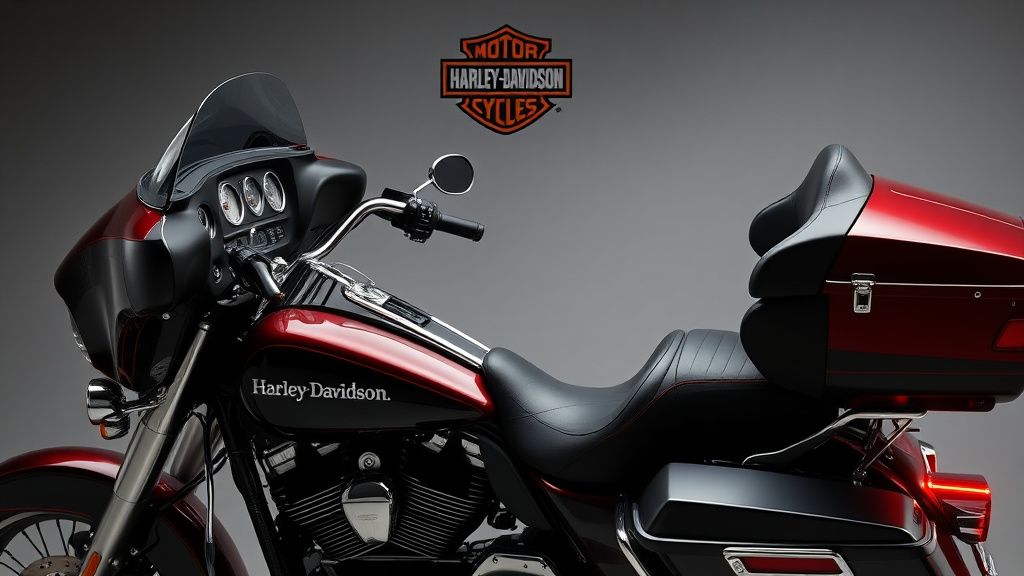
The Ultimate Guide to Harley-Davidson Bagger Starter Motors
Starter motors are a critical component of any Harley-Davidson bagger or touring motorcycle. A reliable starter ensures your bike fires up effortlessly, whether you’re heading out for a cross-country ride or just cruising around town. This guide covers everything you need to know about Harley-Davidson bagger starter motors, including types, key features, and what to look for when choosing a replacement or upgrade.
Understanding Starter Motors for Harley-Davidson Baggers
The starter motor is an electric motor that cranks the engine to initiate combustion. On Harley-Davidson touring models like the Road Glide, Street Glide, or Electra Glide, the starter motor must handle the high torque demands of a large-displacement V-twin engine. Over time, wear and tear or electrical issues can lead to slow cranking, grinding noises, or complete failure—signs that a replacement may be necessary.
Types of Starter Motors for Harley-Davidson Baggers
1. OEM (Original Equipment Manufacturer) Starters
Harley-Davidson OEM starters are designed specifically for their touring models, ensuring precise fitment and reliability. These starters are built to meet factory specifications and often come with a warranty. While they tend to be more expensive than aftermarket options, they offer peace of mind for riders who prefer factory-grade components.
2. High-Torque Aftermarket Starters
Aftermarket starter motors, such as those from reputable brands like Rick’s Motorsport Electrics or Cycle Electric, are popular upgrades. High-torque starters provide faster cranking, especially in cold weather, and are often more durable than stock units. They’re ideal for riders who want improved performance or have added engine modifications that increase compression.
3. Gear Reduction Starters
Gear reduction starters use a planetary gear system to multiply torque while reducing motor speed. These starters are smaller and lighter than direct-drive units but deliver stronger cranking power. They’re an excellent choice for big-bore engines or bikes with high-compression pistons.
4. Rebuilt or Remanufactured Starters
For budget-conscious riders, rebuilt starters offer a cost-effective alternative. These units are disassembled, cleaned, and fitted with new brushes, bearings, and solenoids. While they can be a good short-term solution, their longevity depends on the quality of the rebuild.
Key Features of a Quality Starter Motor
When shopping for a starter motor, consider these essential features:
- Torque Output – A starter must generate enough torque to turn over a Harley’s large engine, especially in cold conditions. High-torque starters (minimum 1.4 kW) are recommended for reliability.
- Build Quality – Look for heavy-duty housing, high-grade copper windings, and durable brushes for longevity.
- Heat Resistance – Heat is a major factor in starter failure. Quality starters have heat-resistant components to withstand engine bay temperatures.
- Compatibility – Ensure the starter fits your specific Harley-Davidson model and year. Touring bikes (e.g., Road Glide, Street Glide) may have different requirements than Softails or Dynas.
- Warranty – A reputable starter should come with at least a 1-year warranty, protecting against manufacturing defects.
Common Starter Motor Issues in Harley-Davidson Baggers
Even the best starters can fail due to wear or electrical problems. Common symptoms include:
- Slow Cranking – Weak battery, corroded connections, or a failing starter motor.
- Clicking Noise – Often indicates a solenoid issue or insufficient power delivery.
- Grinding Sound – Worn starter gears or misalignment with the flywheel.
- No Response – Complete starter failure, possibly due to burnt-out windings or a dead solenoid.
Regular maintenance—cleaning terminals, checking wiring, and ensuring a healthy battery—can extend starter life.
What to Look for When Buying a Starter Motor
- Compatibility – Verify the starter fits your exact Harley model and engine size (e.g., Milwaukee-Eight, Twin Cam).
- Performance Needs – High-torque or gear reduction starters are best for modified engines.
- Brand Reputation – Stick with trusted manufacturers like Harley-Davidson, Rick’s, or Cycle Electric.
- Warranty Coverage – A longer warranty indicates confidence in the product’s durability.
- Installation Ease – Some starters require minimal modifications, while others may need additional mounting hardware.
Installation Tips for Harley-Davidson Starter Motors
Replacing a starter motor is a manageable DIY job with basic tools. Follow these steps:
- Disconnect the Battery – Always remove the negative terminal first to prevent shorts.
- Remove the Old Starter – Unbolt the starter and disconnect wiring (note the positions for reassembly).
- Inspect the Flywheel – Check for damaged teeth that could affect the new starter.
- Install the New Starter – Secure bolts to the specified torque and reconnect wiring.
- Test Before Final Assembly – Reconnect the battery and test the starter before reinstalling any covers.
If unsure, consult a service manual or a trusted mechanic.
Final Thoughts
Choosing the right starter motor for your Harley-Davidson bagger ensures reliable starts and long-term durability. Whether you opt for an OEM replacement, a high-torque aftermarket unit, or a gear reduction starter, prioritize quality and compatibility. Regular maintenance and addressing electrical issues promptly will keep your starter—and your ride—running smoothly for years to come.
For riders who depend on their touring bikes, investing in a robust starter motor is a small price to pay for peace of mind on the open road.