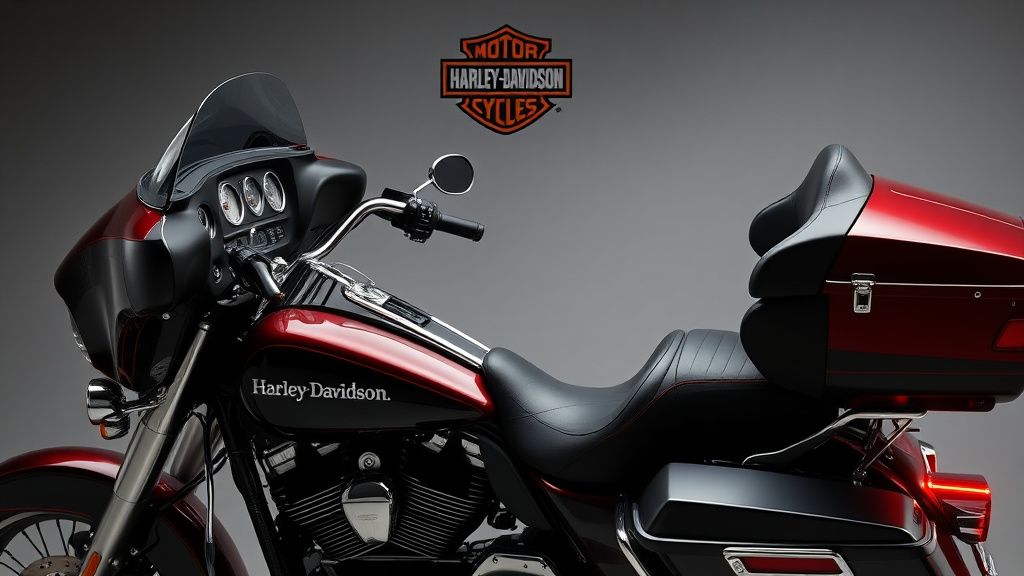
The Ultimate Guide to Harley-Davidson Bagger Gaskets
Gaskets are small but critical components in your Harley-Davidson bagger or touring motorcycle’s engine and exhaust system. They ensure a tight seal between mating surfaces, preventing leaks of oil, coolant, or exhaust gases. A failed gasket can lead to poor performance, overheating, or even engine damage. Whether you’re performing routine maintenance or upgrading your bike, understanding the types, materials, and applications of gaskets will help you make the right choice.
This guide covers everything you need to know about Harley-Davidson bagger gaskets, including common types, materials, signs of wear, and what to look for when replacing them.
Common Types of Gaskets for Harley-Davidson Baggers
1. Cylinder Head Gaskets
The cylinder head gasket seals the combustion chamber, ensuring proper compression and preventing coolant or oil leaks. Harley-Davidson baggers, like the Road Glide or Street Glide, often use multi-layer steel (MLS) gaskets for durability under high heat and pressure.
Key Features:
- MLS construction for superior heat resistance
- Precision-cut to match OEM specifications
- Reinforced sealing rings around cylinder bores
2. Exhaust Gaskets
Exhaust gaskets seal the connection between the exhaust headers and cylinder heads or mufflers. Harley touring bikes commonly use copper or graphite-impregnated gaskets for their ability to withstand extreme heat and vibration.
Key Features:
- Copper or graphite materials for high-temperature resilience
- Crush-fit design for a tight seal
- Often reusable if undamaged
3. Intake Manifold Gaskets
These gaskets seal the intake manifold to the cylinder heads, ensuring proper air-fuel mixture delivery. Rubber or composite gaskets are typical, with some aftermarket options offering improved airflow for performance builds.
Key Features:
- Rubber or fiber-reinforced composite materials
- Molded to fit Harley’s intake ports precisely
- Some include thermal barriers to reduce heat soak
4. Valve Cover Gaskets
Valve cover gaskets prevent oil leaks around the rocker boxes. Many Harley baggers use rubber or cork gaskets, with rubber being more durable and resistant to drying out.
Key Features:
- Rubber (Viton or silicone) for longevity
- Cork for a traditional fit (requires sealant)
- Molded edges to prevent shifting during installation
5. Primary and Transmission Gaskets
These gaskets seal the primary drive and transmission cases, keeping oil contained. Harley-Davidson often uses fiber or rubber-coated gaskets here.
Key Features:
- Fiber-reinforced for tear resistance
- Some include silicone beads for better sealing
- Pre-cut bolt holes for precise alignment
Gasket Materials: Pros and Cons
Multi-Layer Steel (MLS)
- Pros: Extremely durable, handles high pressure and heat, long lifespan.
- Cons: More expensive, requires precise surface mating.
Copper
- Pros: Excellent heat resistance, malleable for a tight seal.
- Cons: Can harden over time, may require re-torquing.
Graphite
- Pros: Self-sealing under heat, good for exhaust applications.
- Cons: Can be brittle if over-tightened.
Rubber (Silicone/Viton)
- Pros: Flexible, resistant to oil and coolant, reusable in some cases.
- Cons: May degrade under extreme heat.
Cork
- Pros: Affordable, easy to compress for sealing.
- Cons: Dries out over time, less durable than rubber.
Signs Your Gaskets Need Replacement
- Oil leaks (wet spots under the bike or around gasket edges)
- Overheating (caused by coolant leaks from a failing head gasket)
- Exhaust leaks (loud ticking or popping noises near headers)
- Poor performance (misfires due to intake leaks)
- Visible wear (cracks, brittleness, or compression damage)
What to Look for When Buying Replacement Gaskets
-
OEM vs. Aftermarket
- OEM gaskets ensure exact fitment but may be pricier.
- High-quality aftermarket gaskets (like Cometic or James Gaskets) often offer improved materials.
-
Material Compatibility
- Match the gasket material to its application (e.g., copper for exhaust, MLS for heads).
-
Sealing Technology
- Look for features like silicone bead reinforcements or laser-cut edges for better sealing.
-
Vehicle-Specific Fit
- Ensure the gasket is designed for your exact Harley model (e.g., M8, Twin Cam, or Milwaukee-Eight engines).
-
Ease of Installation
- Some gaskets come pre-coated with sealant, reducing installation steps.
Final Tips for Gasket Maintenance
- Torque to spec: Over-tightening can crush gaskets, while under-tightening can cause leaks.
- Inspect mating surfaces: Clean and check for warping before installing new gaskets.
- Use sealant sparingly: Only where recommended (e.g., cork gaskets).
- Replace in sets: If one gasket fails, others nearby may be nearing failure.
By choosing the right gaskets and installing them correctly, you’ll keep your Harley-Davidson bagger running smoothly and leak-free for miles to come.