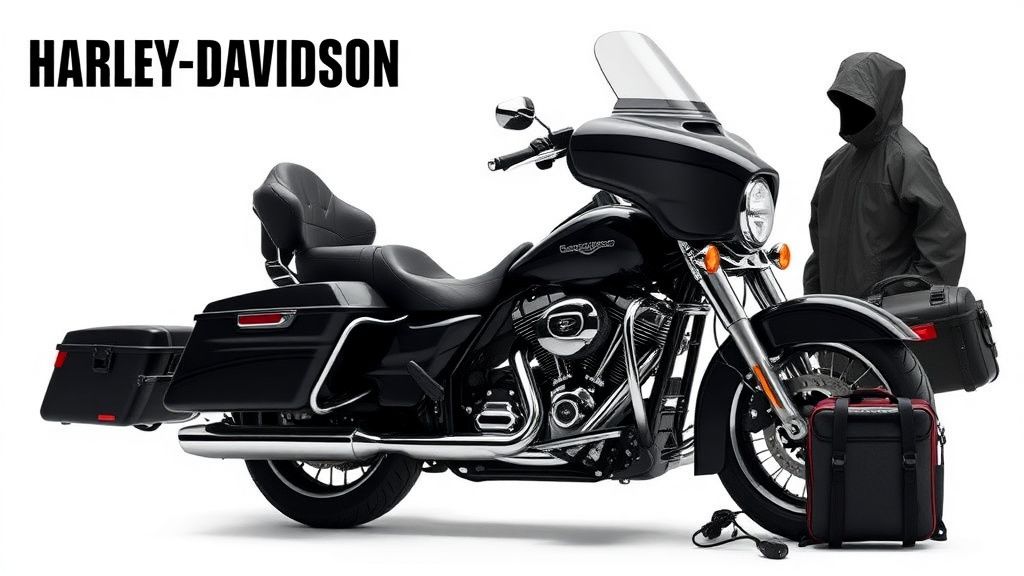
How to Choose the Right Harley-Davidson Primary Chain Adjuster
The primary chain adjuster is a critical component in your Harley-Davidson bagger or touring motorcycle, ensuring smooth power transfer from the engine to the transmission. Over time, the primary chain can stretch or wear, leading to poor performance, noise, or even damage if not properly adjusted. Choosing the right primary chain adjuster can improve reliability, reduce maintenance hassles, and enhance your riding experience.
Understanding the Primary Chain Adjuster
The primary chain adjuster maintains proper tension in the primary drive system, preventing slack that could cause excessive wear or chain slippage. Harley-Davidson motorcycles typically use one of two types of adjusters:
- Manual Adjusters – Require periodic inspection and adjustment by the rider. These are common on older models and some touring bikes.
- Automatic Adjusters – Self-adjusting mechanisms that maintain optimal tension without manual intervention, often found on newer Harley-Davidson models.
Types of Primary Chain Adjusters
1. OEM (Factory) Adjusters
Harley-Davidson’s stock adjusters are designed to meet factory specifications. They work well for most riders but may require frequent adjustments on high-mileage bikes.
- Pros: Guaranteed compatibility, reliable performance.
- Cons: May wear faster than aftermarket options, manual versions need regular maintenance.
2. Aftermarket Adjusters
Aftermarket options often improve durability, ease of use, or performance. Common upgrades include:
- Billet Aluminum Adjusters – More durable than stock, resistant to wear, and often feature smoother operation.
- Hybrid Adjusters – Combine manual and automatic features for riders who prefer control with reduced maintenance.
- High-Performance Adjusters – Designed for modified engines or high-torque applications, offering reinforced components.
Key Features to Consider
When selecting a primary chain adjuster, consider these factors:
Compatibility
Ensure the adjuster fits your specific Harley-Davidson model (e.g., Road Glide, Street Glide, Electra Glide). Check manufacturer specs for compatibility with your engine (Milwaukee-Eight, Twin Cam, etc.).
Material & Durability
- Aluminum – Lightweight and corrosion-resistant, ideal for most riders.
- Steel – Heavier but more robust, suited for high-stress applications.
- Composite/Nylon – Used in some automatic adjusters for quieter operation.
Ease of Installation & Adjustment
Some aftermarket adjusters simplify installation with bolt-on designs, while others may require minor modifications. Automatic adjusters reduce maintenance but may cost more upfront.
Noise Reduction
A worn or poorly adjusted chain can cause rattling. Look for adjusters with noise-dampening features if quiet operation is a priority.
What to Look for in a Primary Chain Adjuster
- Build Quality – Opt for precision-machined components to avoid premature wear.
- Adjustment Mechanism – Decide between manual (more control) or automatic (less maintenance).
- Compatibility – Verify fitment for your bike’s year, model, and engine.
- User Reviews – Check feedback from other Harley riders for real-world performance insights.
- Warranty – Some aftermarket brands offer warranties, indicating confidence in durability.
Installation Tips
- Always follow the manufacturer’s instructions.
- Check primary chain tension after installation (if manual).
- Use a torque wrench to avoid over-tightening bolts.
- Inspect the adjuster periodically, even if it’s automatic.
Final Thoughts
Choosing the right primary chain adjuster ensures smoother rides and longer-lasting performance. Whether you stick with OEM or upgrade to an aftermarket option, prioritize compatibility, durability, and ease of maintenance. A well-adjusted primary chain reduces wear on your drivetrain and keeps your Harley running strong for miles to come.
By understanding your bike’s needs and the available options, you can make an informed decision that enhances reliability and riding enjoyment.