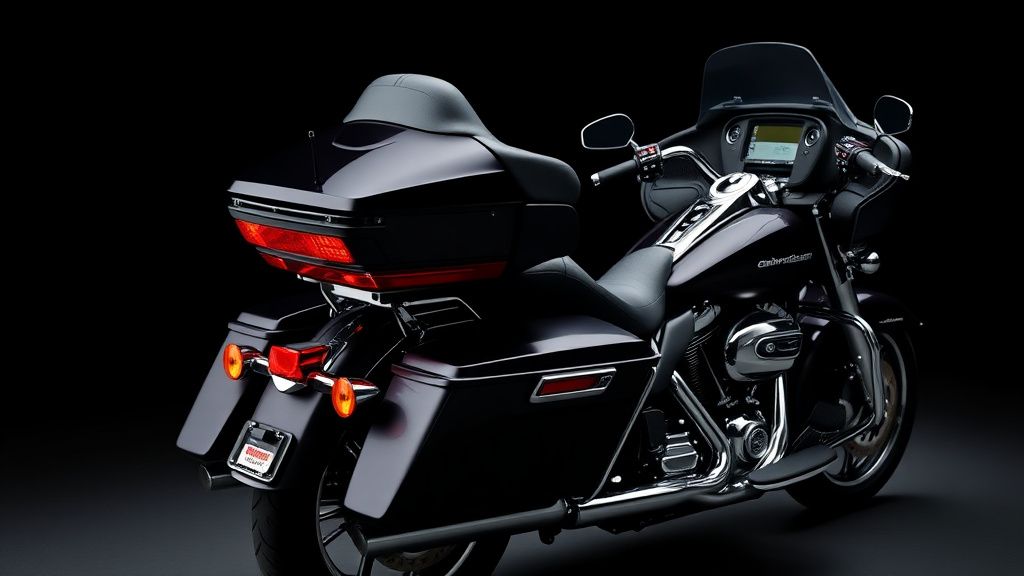
Harley Seat Pads vs. Full Seat Replacements: What’s Best for You?
When it comes to improving comfort on your Harley-Davidson bagger or touring bike, upgrading your seat is one of the most impactful changes you can make. But should you opt for a seat pad or go all-in with a full seat replacement? Each option has its pros and cons, depending on your riding style, budget, and comfort needs. Let’s break down the differences to help you decide.
Understanding the Basics: Seat Pads vs. Full Replacements
Harley Seat Pads
Seat pads are removable cushions that sit on top of your existing seat. They’re designed to add extra padding, improve airflow, or adjust your riding position slightly. Common types include:
- Gel pads – Absorb vibrations and reduce pressure points.
- Airhawk-style pads – Use air cells to distribute weight evenly.
- Sheepskin or memory foam pads – Provide plush comfort and breathability.
Full Seat Replacements
A full seat replacement involves swapping out your factory seat for an aftermarket one. These are engineered for long-distance comfort, better ergonomics, and sometimes even a lower or taller ride height. Popular styles include:
- Touring seats – Extra cushioning, often with lumbar support.
- Dual-density foam seats – Firmer base with a softer top layer.
- Custom-shaped seats – Contoured to improve posture and reduce fatigue.
When to Choose a Seat Pad
Budget-Friendly Comfort
If you’re looking for a quick, affordable upgrade, a seat pad is the way to go. They cost significantly less than a full seat replacement and can be installed in seconds.
Temporary or Seasonal Use
Riders who only need extra comfort on long trips or in hot weather might prefer a pad. Sheepskin pads, for example, keep you cooler in summer but can be removed when not needed.
Minimal Adjustment Needed
If you’re happy with your seat’s shape and height but just want a little extra cushioning, a pad is a simple solution. Gel pads, in particular, work well for reducing tailbone pressure without altering your riding position.
Drawbacks of Seat Pads
- Limited ergonomic improvements – They won’t fix a poorly shaped seat.
- Can shift or bunch up – Some pads require straps or adhesives to stay in place.
- Less durable – Over time, foam or gel may compress unevenly.
When to Choose a Full Seat Replacement
Long-Distance Riding Comfort
If you regularly ride for hours at a time, a full replacement is worth the investment. Touring-specific seats offer better lumbar support, reduced pressure on the thighs, and improved weight distribution.
Custom Fit and Ergonomics
Factory seats aren’t always optimized for every rider. Aftermarket seats come in different widths, heights, and contours to suit your body type. Some even allow for adjustments in the angle or firmness.
Better Materials and Construction
High-end replacement seats use premium foams, reinforced stitching, and weather-resistant covers that outlast stock seats. Dual-density foam, for example, provides support where you need it while remaining soft where it counts.
Drawbacks of Full Replacements
- Higher upfront cost – Quality seats aren’t cheap.
- Installation required – Some seats may need minor adjustments to fit perfectly.
- Permanent change – Unlike pads, you can’t easily switch back to stock.
Key Factors to Consider Before Buying
Riding Style & Distance
- Short rides/city commuting? A seat pad may suffice.
- Cross-country touring? A full replacement is likely better.
Body Type & Comfort Needs
- Taller riders might benefit from a seat that lowers their position.
- Riders with back issues should prioritize lumbar support.
Climate Considerations
- Hot-weather riders may prefer perforated or breathable seat covers.
- Cold-weather riders might opt for heated seat options (available in some full replacements).
Compatibility
- Ensure any replacement seat fits your specific Harley model (e.g., Road Glide, Street Glide, Electra Glide).
- Check mounting points—some aftermarket seats require minor modifications.
What to Look for When Buying
For Seat Pads:
- Material quality – Gel should be high-density; memory foam should rebound well.
- Non-slip base – Look for rubberized or textured undersides to prevent shifting.
- Breathability – Perforated or moisture-wicking fabrics help in summer.
For Full Seat Replacements:
- Ergonomic design – Look for contoured shapes that match your riding posture.
- Durable upholstery – Marine-grade vinyl or premium leather lasts longer.
- Warranty & reviews – A reputable manufacturer will stand behind their product.
Final Verdict: Which One Should You Choose?
-
Go for a seat pad if:
You want an affordable, temporary upgrade, or you’re mostly happy with your stock seat but need a little extra cushioning. -
Go for a full seat replacement if:
You ride long distances, need better ergonomics, or want a permanent upgrade with superior materials.
Both options can enhance your ride—it just depends on how much change you’re looking for. Test different solutions if possible, and prioritize what feels best for your body and riding style. Happy riding!