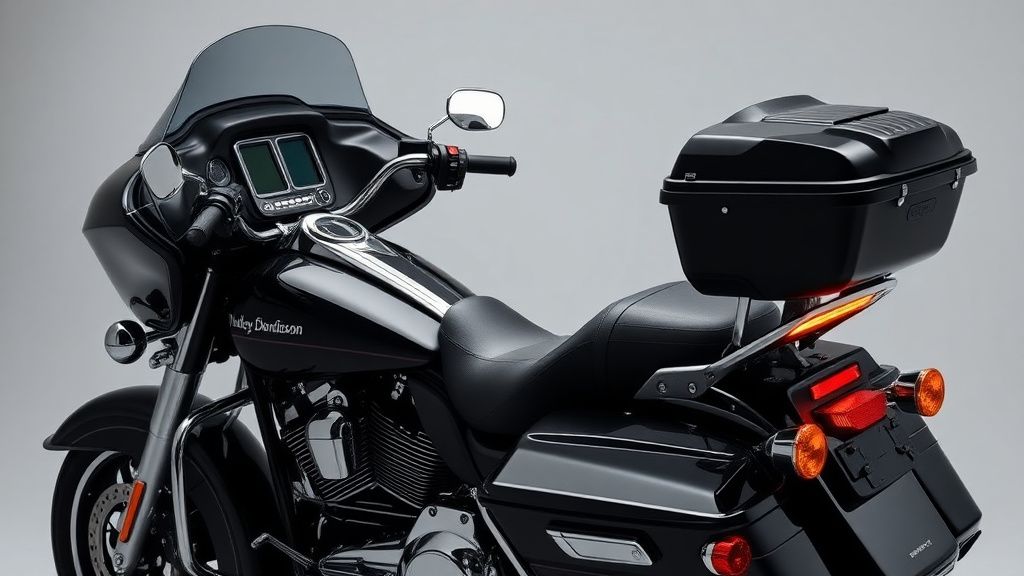
Harley Fairing Speakers: Upgrading Your Front Audio
For Harley-Davidson bagger and touring riders, the open road is about freedom—but great sound shouldn’t be left behind. Factory audio systems often lack the power and clarity needed to overcome wind, engine noise, and highway speeds. Upgrading your fairing speakers can transform your ride, delivering crisp highs, deep mids, and enough volume to hear your music clearly. Here’s what you need to know to make the right choice.
Why Upgrade Your Fairing Speakers?
Stock Harley speakers are designed to meet basic needs, not audiophile standards. Common limitations include:
- Weak Output: Struggles to overcome road noise at highway speeds.
- Muddy Sound: Lack of clarity in mids and highs, especially with heavy bass tracks.
- Durability Issues: OEM speakers may degrade faster due to moisture and vibration exposure.
Aftermarket fairing speakers address these issues with better materials, higher power handling, and weather-resistant designs. Whether you’re streaming music, taking calls, or navigating, an upgrade ensures your audio keeps up with your ride.
Types of Fairing Speakers
Coaxial (Full-Range) Speakers
- Pros: Simple installation, balanced sound, often direct replacements for stock speakers.
- Cons: Less precise sound separation compared to component systems.
- Best For: Riders who want a plug-and-play upgrade without complex wiring.
Component Speaker Systems
- Pros: Separate tweeters and woofers for superior sound staging and clarity.
- Cons: Requires more installation work (crossovers, mounting tweeters).
- Best For: Audiophiles who prioritize premium sound quality.
Powered Speakers (Built-In Amplifiers)
- Pros: No external amp needed, compact, great for limited space.
- Cons: May lack the power of a dedicated amp setup.
- Best For: Riders who want a simple but powerful boost without extra components.
Key Features to Consider
-
Power Handling (RMS/Watts)
- Higher RMS ratings mean cleaner sound at high volumes. Match speakers to your amp’s output to avoid distortion.
-
Sensitivity (dB Rating)
- Speakers with higher sensitivity (90dB+) require less power to produce loud, clear sound—ideal for unmuted exhaust setups.
-
Weather Resistance
- Look for UV-resistant cones, rubber surrounds, and sealed tweeters to withstand rain, dust, and sun exposure.
-
Impedance (Ohms)
- Most Harley systems use 4-ohm speakers. Mismatched impedance can strain your amp or head unit.
-
Size and Fitment
- Common sizes are 6.5” or 5.25”. Measure your fairing pockets and check depth clearance before buying.
Installation Tips
- Disconnect the Battery: Avoid electrical shorts while working on wiring.
- Use Proper Mounting Adapters: Ensures a secure fit and reduces vibration rattles.
- Seal Gaps: Apply foam or rubber baffles behind speakers to improve bass response and block moisture.
- Upgrade Wiring if Needed: Heavy-gauge wiring minimizes power loss for high-output setups.
Syncing with Your Audio System
- Amplifier Pairing: Aftermarket speakers often need more power than the stock radio can provide. A dedicated amp (even a compact one) makes a dramatic difference.
- Head Unit Compatibility: Check if your stereo’s preamp outputs match your amp’s inputs (e.g., RCA vs. high-level).
- Bluetooth Modules: Add wireless streaming to older systems with a plug-in BT receiver.
What to Look for When Buying
- Sound Priorities: Focus on midrange clarity if you listen to talk radio/podcasts; prioritize bass for music.
- Riding Conditions: Frequent rain? Opt for marine-grade speakers. Long highway miles? High sensitivity is key.
- Future-Proofing: Planning an amp later? Choose speakers that can handle more power than your current setup.
- Reviews from Riders: Look for feedback on real-world performance at 70+ mph, not just showroom tests.
Final Thoughts
Upgrading your Harley’s fairing speakers is one of the most impactful mods for touring riders. Whether you opt for a straightforward coaxial swap or a full component system, the right speakers will keep your soundtrack loud and clear—no matter how far the road takes you. Just remember: great sound starts with quality components, proper installation, and a setup tailored to your riding style.