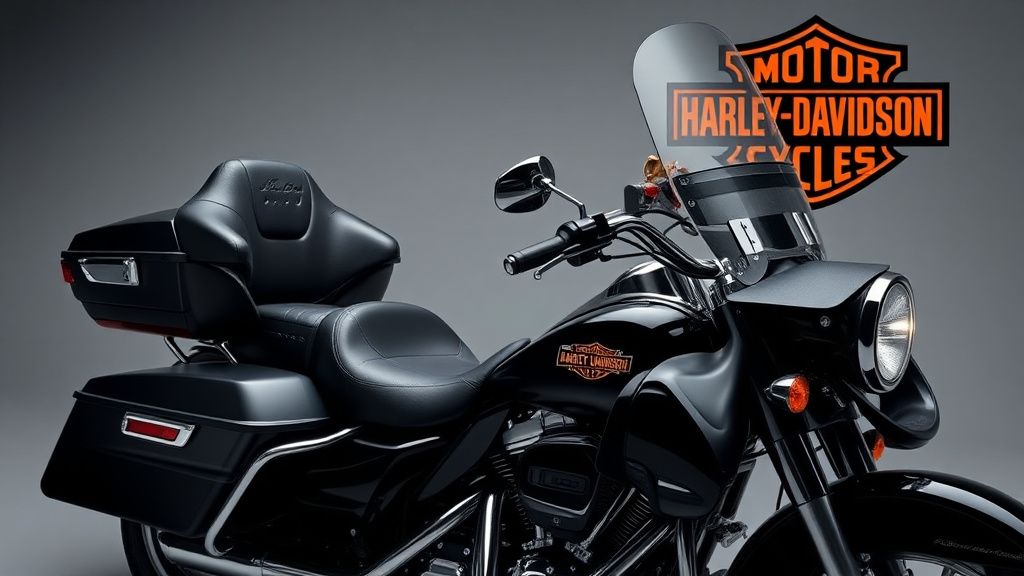
Buying Guide: Harley-Davidson Spark Plugs for Optimal Performance
Spark plugs are a small but critical component of your Harley-Davidson’s engine, directly affecting performance, fuel efficiency, and reliability. Whether you ride a touring model like the Road Glide or a bagger like the Street Glide, choosing the right spark plugs ensures smooth ignition and long-term engine health. This guide covers key considerations, types of spark plugs, and what to look for when selecting the best option for your bike.
Why Spark Plugs Matter for Harley-Davidson Bikes
Harley-Davidson engines, especially those in big-twin touring and bagger models, demand high-quality spark plugs to handle the heat, vibration, and power output. A worn or mismatched spark plug can cause misfires, poor throttle response, and reduced fuel economy. Upgrading to the right spark plugs can improve combustion efficiency, leading to better acceleration and smoother idling.
Types of Spark Plugs for Harley-Davidson Motorcycles
-
Copper Core Spark Plugs
- The most affordable option, copper plugs offer excellent conductivity and heat dissipation.
- Ideal for older Harley models or riders who prefer frequent replacements.
- Shorter lifespan compared to iridium or platinum plugs.
-
Platinum Spark Plugs
- More durable than copper, with a platinum disc welded to the electrode for extended life.
- Better resistance to fouling and corrosion, making them a solid choice for touring bikes.
- Provides consistent performance under high temperatures.
-
Iridium Spark Plugs
- The premium choice, featuring a fine-wire iridium tip for superior ignition efficiency.
- Lasts significantly longer than copper or platinum plugs.
- Optimized for modern Harley engines, including Milwaukee-Eight and Twin Cam models.
-
Double Platinum/Iridium Spark Plugs
- Features platinum or iridium on both center and ground electrodes for maximum durability.
- Reduces electrode wear, ideal for high-mileage riders.
- Commonly recommended for late-model touring bikes.
Heat Range: Matching Your Riding Style
Spark plugs come in different heat ranges, which determine how quickly they dissipate heat from the combustion chamber:
-
Hotter Plugs (Low Heat Range)
- Retain more heat, suitable for stop-and-go city riding or short trips.
- Helps prevent fouling in engines that don’t reach optimal operating temperatures frequently.
-
Colder Plugs (High Heat Range)
- Dissipate heat faster, ideal for high-performance engines, long-distance touring, or hot climates.
- Prevents pre-ignition and detonation in high-stress conditions.
Always refer to your Harley-Davidson owner’s manual or consult a mechanic to determine the correct heat range for your bike.
Gap Size: Precision Matters
The spark plug gap (the distance between the center and ground electrode) must be set correctly for optimal ignition. Most Harley-Davidson models require a gap between 0.038” and 0.043”, but this can vary:
- Factory Pre-Gapped Plugs – Convenient and ready to install, but always verify the gap before installation.
- Adjustable Gap Plugs – Allow fine-tuning for custom engine setups or performance modifications.
Using a feeler gauge or spark plug gap tool ensures accuracy. An incorrect gap can lead to weak sparks or engine misfires.
What to Look for When Buying Spark Plugs
-
Compatibility
- Check your Harley’s year, model, and engine type (e.g., Milwaukee-Eight 114, Twin Cam 103).
- Verify OEM part numbers (e.g., HD-6R12 for certain Twin Cam models).
-
Build Quality
- Look for corrosion-resistant materials like iridium or platinum for longevity.
- Ensure proper electrode design for efficient spark generation.
-
Performance Needs
- Daily riders may prioritize durability (platinum/iridium).
- Performance builds may benefit from colder heat ranges or fine-wire designs.
-
Brand Reputation
- Stick with reputable manufacturers like NGK, Champion, or Harley-Davidson OEM plugs.
Installation Tips for Harley-Davidson Spark Plugs
- Always install spark plugs when the engine is cool to avoid thread damage.
- Use anti-seize compound sparingly on the threads to prevent galling.
- Torque to manufacturer specifications (typically 12-18 ft-lbs) to avoid over-tightening.
- Replace spark plug wires or boots if they show signs of wear.
When to Replace Your Spark Plugs
Harley-Davidson recommends inspecting spark plugs every 5,000 miles and replacing them every 10,000-20,000 miles, depending on plug type and riding conditions. Signs you need new spark plugs include:
- Hard starting or rough idling
- Reduced fuel efficiency
- Engine hesitation or misfires
- Visible electrode wear or carbon buildup
Final Thoughts
Choosing the right spark plugs for your Harley-Davidson touring or bagger motorcycle ensures peak performance and reliability. Whether you opt for copper, platinum, or iridium, matching the heat range, gap size, and build quality to your bike’s needs will keep your engine running smoothly for miles. Always follow OEM guidelines and consult a trusted mechanic if unsure—your Harley deserves the best.
For riders who demand precision and longevity, investing in high-quality iridium or double platinum spark plugs is a smart upgrade that pays off in performance and peace of mind.