
When I’m deep in the garage tweaking my low-and-slow bagger, having the right air compressor makes all the difference for smooth, efficient work. Finding the best air compressors for motorcycle garage work means balancing power, portability, and quiet operation—whether you’re inflating tires, powering pneumatic tools, or cleaning parts.
Key takeaways
- Look for compressors with at least 6-gallon tanks and 150 PSI for versatile bagger garage tasks.
- Oil-free pumps reduce maintenance and mess, perfect for quick tune-ups and lowrider rides.
- Portability and noise level matter—choose compressors with wheels or handles and quieter motors for late-night cruise prep.
- Check for included accessories like tire gauges, air blowers, or dual quick-connect couplers.
- Budget options can work if you want a secondary unit for lighter tasks like inflating whitewall tires or cleaning dust off chrome.
Why a dedicated air compressor is a game-changer in your motorcycle garage
When you build or maintain a cholo-style Vicla or bagger, you quickly learn that air tools can save you hours of sweat and curse words. From tightening lug nuts with an impact wrench to spraying paint or blowing debris off your fenders and whitewalls, pressurized air is a garage staple. I rely on my compressor for everything from basic tire inflation to prepping chrome for polish—without it, the workflow drags.
That said, not all compressors are created equal for motorcycle work. You don’t want a yard-level beast that’s noisy and bulky or a tiny inflator that struggles with tools. The best air compressors for motorcycle garages strike a balance: enough air volume (CFM) and pressure (PSI), a modest footprint, easy setup, and reliable performance that can handle both big jobs and the precision cleaning I do before cruise nights.
What to look for: Features that matter for motorcycle work
Here’s what I check before adding any compressor to my garage arsenal:
Tank size and pressure
You need enough tank volume for sustained tool use. Most handheld impact wrenches and spray guns want around 90-150 PSI. For casual garage airbrush or tire inflation, lower PSI works too, but a 6-gallon tank is a nice minimum. Bigger tanks give you longer continuous air supply but add weight and bulk.
CFM rating (Cubic Feet per Minute)
This measures how much air the compressor can deliver per minute. Pneumatic ratchets and spray guns need 4-6 CFM or more at 90 PSI. Smaller inflators might offer less but won’t keep up with power tools.
Pump type: Oil-free vs. Oil-lubricated
Oil-free pumps mean less maintenance and less mess, and they start faster at room temp. Most hobbyist or home garage builders prefer oil-free models. If you’re running heavy-duty or commercial work, an oil-lubricated compressor lasts longer but needs periodic oil changes.
Portability
Garage space can be tight, so wheel kits or built-in handles matter. Smaller tank compressors are lighter, but these usually deliver less air. I keep a larger 8-gallon unit on wheels and a small pancake-style 6-gallon on a handle for quick tasks.
Noise level
If you’re working in a home garage late at night prepping your lowrider bagger for cruise-night, quieter compressors make a big difference. Look for models rated under 70 dB or with noise-dampening enclosures.
Included Accessories
Useful add-ons like tire pressure gauges, inflation needles, blowguns, or multiple couplers expand your setup without buying extras.
My top picks: Best air compressors for motorcycle garage work
Below is a table comparing a few compressors I’ve tested or reviewed, weighted for low-and-slow bagger builders hunting for reliability, ease of use, and value.
| Model | Tank Size | Max PSI | CFM @ 90 PSI | Pump Type | Noise Level (dB) | Portability | Notes |
|---|---|---|---|---|---|---|---|
| DeWalt DWFP55126 | 6 gal | 165 | 2.6 | Oil-free | ~75 | Handle & wheels | Lightweight pancake-style, quiet but lower CFM |
| California Air Tools 5510SE | 5.5 gal | 125 | 5.3 | Oil-free, Ultra Quiet | 60 | Wheels & handle | Very quiet, powerful CFM for size, slightly more expensive |
| Porter-Cable C2002 | 6 gal | 150 | 2.6 | Oil-free | 78 | Handle & wheels | Affordable, durable, standard pancake design |
| Viair 400P Portable | - | 150 | - | Portable Pump | Quiet | Compact, portable | Great for tire inflation on the go, not for tools |
| Makita MAC2400 | 4.2 gal | 130 | 4.2 | Oil-lubricated | 79 | Handle, heavier | Heavy-duty, quiet, robust but needs maintenance |
How I set up and maintain my compressor for bagger work
Maintaining your air compressor extends its life and keeps your garage running smooth:
- Drain the tank regularly to prevent rust and moisture buildup. I empty mine after every few uses, especially when humid.
- Check and clean filters every month or so to keep debris out of your tools.
- For oil-lubricated units, change oil according to manufacturer guidelines—skipping this is a quick way to ruin compressors.
- Store compressor indoors or cover it to protect from dust, dirt, and moisture.
- Use quick-connect fittings and hoses sized for your tools to maximize air flow and reduce frustration during projects.
Do I always need a big compressor? When small is better
Not every task in the motorcycle garage requires a large unit. For example, viair portable compressors or compact pancake models handle tire inflation, cleaning dusty vents, and light airbrush painting. Their small size lets you keep one right in your bike trunk or garage shelves without hogging space.
For heavy wrenching with impact guns, spray painting full panels, or using air ratchets, bigger tanks and higher CFM units rule. The right combo depends on your style, workspace, and whether you’re a weekend cruiser or daily builder.
Summary checklist: Which compressor suits your Vicla or bagger garage?
| Criteria | Small/Portable Compressor | Medium Pancake Compressor | Larger Wheel Compressor |
|---|---|---|---|
| Best for | Tire inflation, airbrush, and cleaning | Light-impact tools, DIY projects | Heavy-duty tools, painting, ratchets |
| Pros | Ultra portable, lightweight | Balanced size & power | Long run time, high PSI and CFM |
| Cons | Low air volume, can overheat | Moderate noise, limited tank size | Bulk, higher cost |
| Noise Level | 60–70 dB | 70–75 dB | 70–80 dB |
| Maintenance Required | Minimal | Minimal | Moderate (oil change if oil-lubricated) |
| Price Range ($) | $50–$150 | $150–$250 | $250+ |
Related reading
- Amazon garage setup for a lowrider motorcycle builder
- Best motorcycle lift jacks for heavy baggers
- Best shop stools and mats for long garage nights
- Best detail brushes for spoke wheels and chrome
- Best chrome polish for motorcycle baggers
FAQ
What size air compressor do I need for motorcycle tire inflation?
A small 1–3-gallon portable compressor or pancake-style unit with 90–120 PSI is usually enough to inflate your bike’s tires efficiently. If you want faster inflation or plan to use other pneumatic tools, a 6-gallon or larger compressor is better.
Can I run air tools on a small compressor?
For light-use air tools that require less than 3 CFM at 90 PSI, a small pancake compressor works fine. However, heavier tools like impact wrenches need 4+ CFM and a bigger tank to avoid frequent pressure drops.
How noisy are typical air compressors for garage work?
Most oil-free pancake compressors run around 70–80 dB, similar to a vacuum cleaner. Ultra-quiet models like those from California Air Tools achieve 60 dB, making them better for nighttime garage sessions without waking the neighbors.
Should I choose oil-free or oil-lubricated compressors?
Oil-free compressors require less maintenance and start easily, ideal for home garages and casual riders. Oil-lubricated units last longer and are quieter but need regular oil changes—better for heavier or commercial use.
What accessories are useful to keep with an air compressor?
I always keep quick-connect couplers, a tire pressure gauge, inflation needles for sportbike tires, air blowguns for detail cleaning, and repair kits for hoses and fittings. Having these ready saves time prepping for cruise nights or wrench sessions.
Owning the right air compressor for your motorcycle garage isn’t just about convenience; it’s about making your Vicla or lowrider bagger build cleaner, faster, and more fun. Whether you’re inflating whitewall tires or firing up impact guns for final bolt-torquing, investing in a compressor sized for your needs pays off every ride. Keep the air flowing, stay safe, and roll smooth. — Miguel Vega
Products in this guide
- oesee Motorcycle Cleaning Kit 6 Pack Design for Chrome, Woolies Brush, Wool Wash Mitt, Tire&Chain Brush, Detailing Brush& Ultra Plush Towel for Motorcycle& Bike Chrome Painted, Rims, Exhaust, SurfaceCheck on Amazon →
- UBOG Motorcycle Handlebar Bag,Car Accessories Motorcycle Tool Bag,Pu Leather Motorcycles Fork Bag,Autobikes Side Bag with Straps,Motorcycles Bag,Autobike Storage Bag,Suitable for Most AutobikeCheck on Amazon →
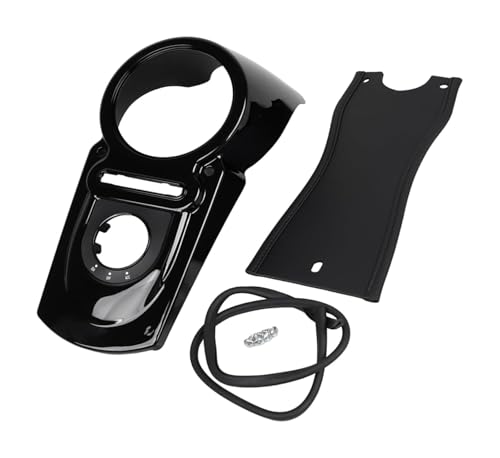
- For Harley For Dyna Fat Street Bob Low Rider 2008-2013 Motorcycle Console Speedometer Housing with Gas Tank Panel(Gloss Black)Check on Amazon →
- Muc Off 664US Nano-Tech Motorcycle Cleaner, 1 Liter - Fast-Action, Biodegradable Motorbike Cleaning Spray - Safe On All Surfaces and All Types of Motorcycle PinkCheck on Amazon →