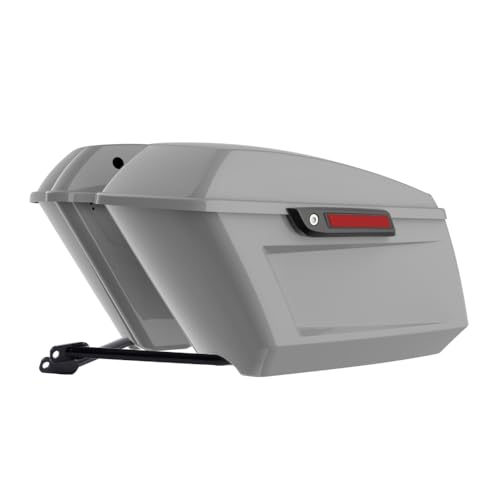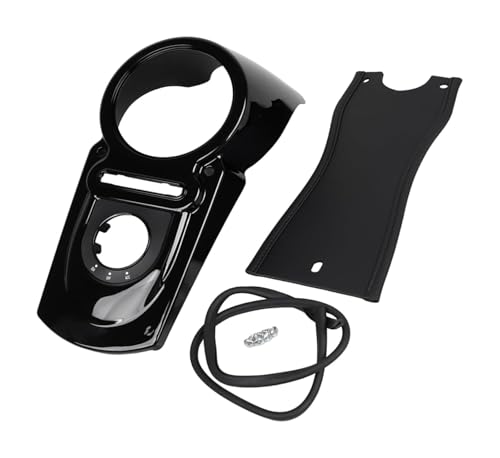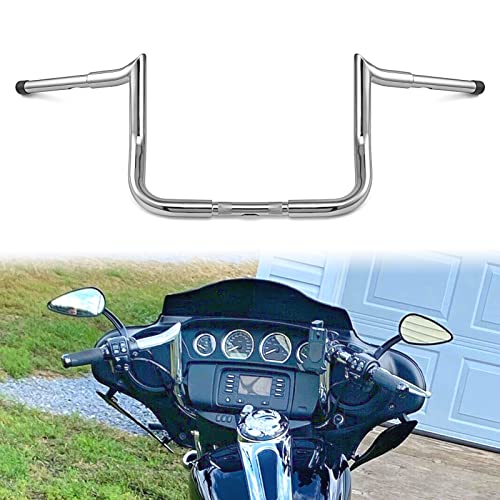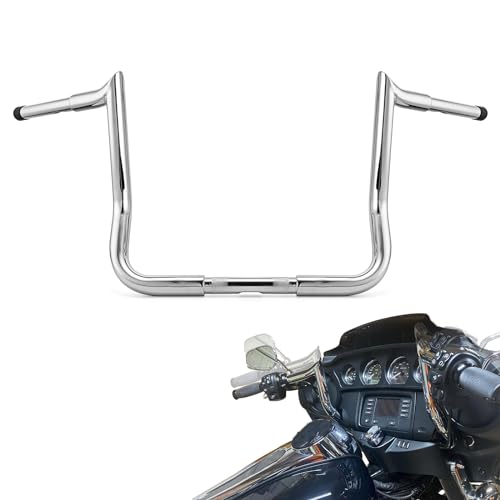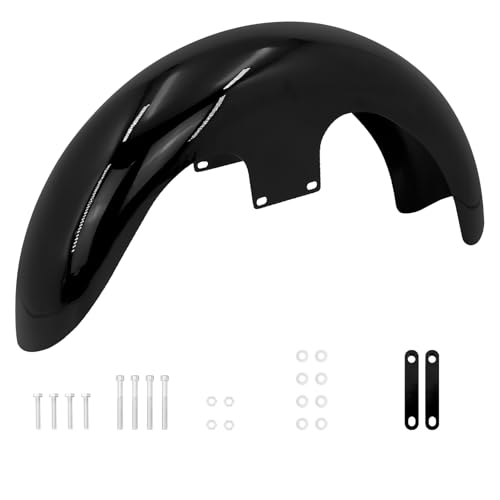

Fishtail exhausts are a classic choice for bagger builds that want to blend that low-and-slow vibe with style reminiscent of old-school cholo rides and vintage Vicla lowriders. Before you hit “buy” on those fishtail exhaust parts online, there are key details you need to check to make sure you’re getting the right fit, finish, and function to match your bagger’s vibe and garage workflow.
Key takeaways
- Confirm compatibility with your bike’s make, model, and year to avoid costly returns or modification headaches.
- Compare materials and chrome plating quality; thick, corrosion-resistant coatings stand up better to road salt and wear.
- Evaluate shipping policies and seller ratings — exhaust parts can be heavy and susceptible to shipping damage.
- Look for detailed product specs, especially overall length, inlet/outlet diameters, and mounting hardware included.
- Check customer reviews and photos for real-world insights on fit and finish before committing to a purchase.
Why fishtail exhausts remain iconic on cholo-style baggers
I’ve been running fishtail exhausts on my Vicla-inspired bagger for years because they hit the perfect balance: that sleek, stealthy silhouette paired with the subtle chirp or rumble that gets noticed without screaming. The split, tapered end lets exhaust gases flow with memorable style — plus, it’s an instant throwback to 50s and 60s hot rod culture that lowrider builders cherish.
But when you’re shopping online, it’s easy to get caught up in the flashy pictures and overlook the practical checks needed to avoid parts that won’t line up or rust out fast. Taking a moment to vet your options upfront saves you a world of time and frustration.
1. Fitment: Match exhaust specs with your bike, not just style
First and foremost, checking fitment is king. Fishtail exhaust parts online often list broad compatibility — but don’t rely solely on that. Measure your bike’s current exhaust pipe diameter and length; most baggers like mine use 2-inch or 2.25-inch diameter headers. Confirming the inlet size ensures pipes slip on easily without forcing or gap issues.
Also, check mounting points and brackets. Some fishtail pipes come with universal clamps; others require model-specific mounts. Knowing whether you need extra adapters or custom hangers helps with budgeting your build.
I’ve learned the hard way that even small variations can cause rattles or leaks. If you’re unsure, some sellers provide digital templates or detailed manuals you can print and hold to your bike.
2. Material and finish: Trust chrome that lasts
Chrome finish isn’t just about looks — it protects your exhaust from rust and weather. On my bike, I’ve tested exhausts with thin plating that started pitting within a season, especially in rainy or salty conditions.
Look for stainless steel or high-grade steel base materials. For chrome, thicker multilayer plating or triple-chrome finish options dramatically improve longevity and ease of maintenance. Some fishtail parts list “mirror chrome” finishes, but check reviews to confirm how well they hold up.
Also, consider heat-managed finishes if your build runs a hotter tune — certain chrome plating can discolor from heat exposure. My go-to method is a light cleaning right after longer rides, plus a quick wipe-down with a chrome-friendly polish designed for motorcycle exhausts.
3. Shipping – Size, packaging, and seller reliability matter
Shipping heavy exhaust parts is tricky — dents or scratches kill the look fast and might affect fitment. When buying online, check the seller’s shipping packaging details. Insist on thick foam or bubble wrap and double-boxing.
It pays to check customer reviews mentioning delivery condition. I usually avoid sellers who have mixed feedback on handling bulky parts.
Return policies are just as important. Many fishtail parts come in one-piece or two-piece sets; exchanging or returning cracked or incomplete shipments can be expensive or a hassle without free return shipping.
4. Details to inspect in product descriptions
At minimum, product listings should clearly state:
- Overall length, to verify it fits under your bagger’s saddlebag layout without rubbing or clearance issues
- Inlet diameter and outlet diameter of the fishtail end (some styles flare out more, which matters for cover kits)
- Mounting hardware included (flanges, clamps, springs)
- Weight (for handling and shipping)
- Exhaust flow design (straight-through or baffled) impacting sound levels and performance
If these details aren’t clear, it’s a red flag for me — I want to know exactly what I’m getting. When info is missing, contact the seller with specific questions.
5. Assessing sound and performance claims
Since fishtail exhausts aren’t just about looks — their sound footprint is a big part of the appeal — many listings will describe tone and volume with terms like “deep rumble” or “classic crackle.”
That’s subjective, so I rely on audio or video samples in reviews or seller demos where possible. Keep in mind sound perception depends heavily on your engine tuning and muffling system.
Also, check if the fishtail parts include baffles or if they’ll require after-market packing to tame noise — especially critical if your local area has noise restrictions but you want the style without headaches.
Comparison: What to check before buying fishtail exhaust parts online
| Checkpoint | Why it matters | What to look for |
|---|---|---|
| Compatibility | Ensures exhaust fits your bike without mods | Exact inlet/outlet diameters and mounting details |
| Material & Finish | Durability and corrosion resistance | Stainless steel base, thick chrome plating |
| Shipping & Packaging | Protects investment from damage | Bubble wrap, secure boxing, seller reviews |
| Product details | Avoid surprises on size, hardware, and weight | Full specs in listing, included mounts |
| Sound description | Matches your vibe and local noise regulations | Audio/video samples, baffle inclusion |
Related reading
- Best chrome polish for motorcycle baggers
- Best air compressors for motorcycle garage work
- Best torque wrenches for Harley-style garage work
- Best motorcycle covers for chrome-heavy baggers
- Best disc locks and security gear for custom baggers
FAQ
How do I measure my bike’s exhaust size for fishtail parts?
Use a digital caliper or tape measure to get the outside diameter at the exhaust pipe inlet where the fishtail will connect. Confirm the length clearance between your saddlebag and rear wheel to ensure the fishtail’s overall length fits without rubbing.
Can I install fishtail exhaust parts myself?
Yes, with basic mechanical skills and the right tools, like a torque wrench and exhaust clamps. However, some kits may need minor modifications or hangers—consult the installation guide and gather the right hardware before starting.
Will fishtail exhausts affect my bike’s performance?
Generally, fishtail exhausts are more about style and sound than performance gains. Some designs may slightly affect backpressure; if performance is a priority, look for fishtail parts designed with flow in mind, or tested for horsepower impact.
What maintenance is required for fishtail chrome exhausts?
Regular cleaning with chrome-safe polishes and drying after rides reduces rust risk. Avoid abrasives or acidic cleaners. Inspect mounting hardware periodically for tightness and signs of corrosion.
Should I buy fishtail exhaust parts from manufacturers or aftermarket sellers?
Both can offer quality parts, but I recommend looking for established sellers with proven customer feedback, clear specs, and solid warranty/return policies — especially when buying online without seeing parts in person.
When you buy your fishtail exhaust parts with these checks in mind, you’re setting up for a smoother build day and longer-lasting shine on the road. I’ve learned that patience and attention to detail upfront keep the cruise nights and garage hustle focused on riding and enjoying the ride—not chasing returns or welding custom fixes. Keep those tips handy next time you’re shopping for gear to keep your Vicla or lowrider-inspired bagger running and looking fresh.