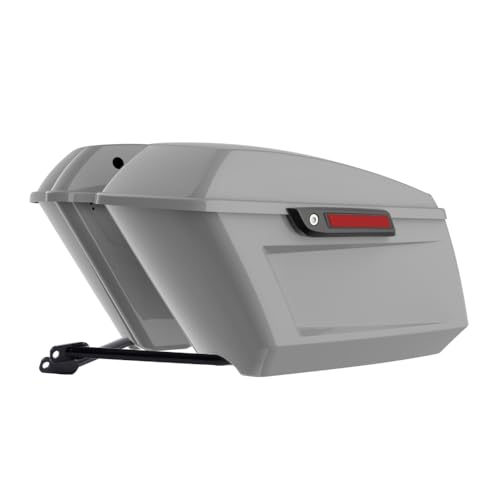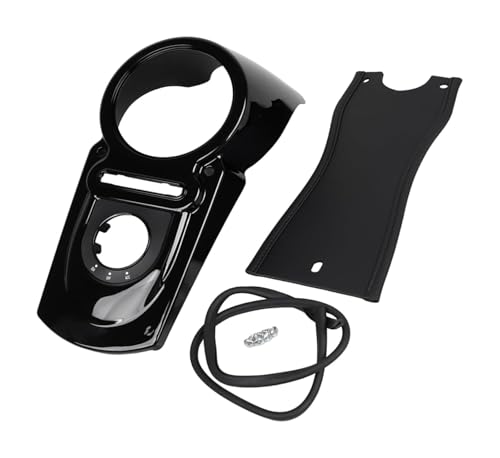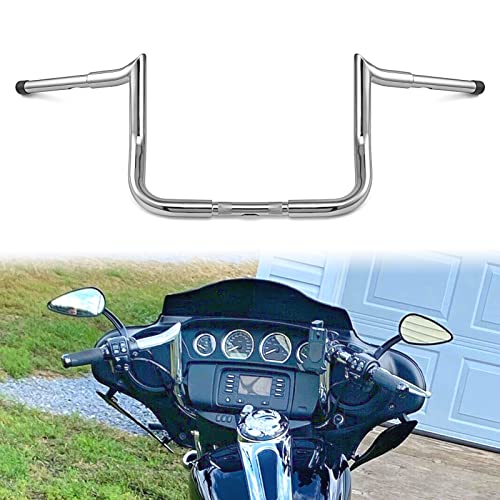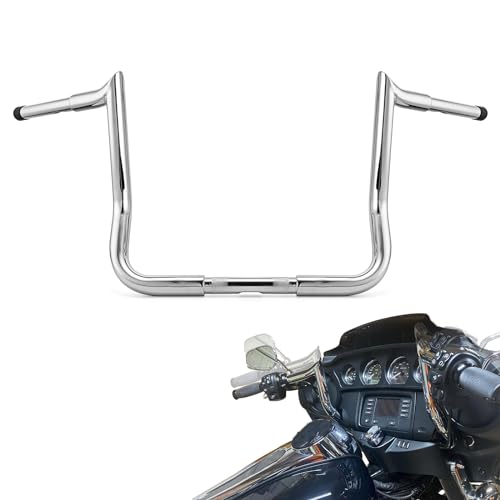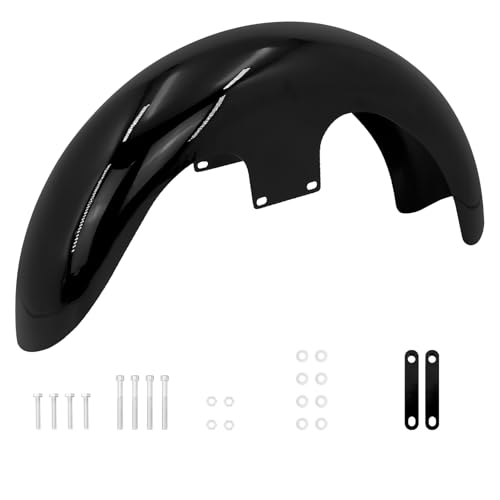

Keeping your chrome spotless before a bike show is more than just good looks—it’s about showcasing the pride and craftsmanship behind your Vicla, lowrider, or cholo-style bagger. I’ve honed a low-and-slow process that gets your chrome gleaming while protecting it from the pitfalls of grime and oxidation you don’t want on show day.
Key takeaways
- Regular, gentle cleaning prevents long-term damage like pitting and rust on chrome surfaces.
- Use pH-balanced cleaners and dedicated chrome polishes for the best shine and protection.
- Prep your workspace with microfiber towels and soft brushes to avoid scratches.
- Seal your chrome with wax or a clear coat for lasting show-quality brilliance.
- Pack a compact chrome care kit for quick touch-ups during bike shows and cruise nights.
Why Chrome Preparation Matters for Bike Shows
Chrome is one of those finishes that can elevate a bike from cool to jaw-dropping when prepped right. But as anyone who’s rolled a Vicla or lowrider-inspired bagger around town knows, chrome is delicate. Exposure to road grime, salt, sweat, and weather can dull that mirror finish or cause corrosive damage if neglected.
From my years building out lowriders and cholo-style cruisers, I’ve learned that the best show-day shine actually starts weeks before the event. This slow, deliberate preparation means no harsh scrubbing or last-minute panic. Instead, you get a deep clean that also primes the metal for protective treatments—which means your bike can take a few laps of the parking lot without losing that showroom gleam.
Step 1: Set Up Your Cleaning Station
Try to work in a shaded, dust-free garage or carport setting. Direct sun can cause water spots or streaks. Here’s what I always lay out before starting:
- Microfiber towels: soft and lint-free, critical to avoid scratching.
- Soft bristle brushes or toothbrushes: for those tight corners and embossed details.
- Two buckets: one with warm water plus a mild pH-balanced soap, the other with clean rinse water.
- Dedicated chrome cleaner: avoid harsh all-purpose cleaners or anything with abrasive chemicals.
- Gloves: to protect your hands and prevent oils from transferring.
When I first started out, I underestimated how much the wrong towels could leave swirl marks. Investing in high-quality microfiber changed the game.
Step 2: Remove Surface Dirt and Grime
The first pass is all about removing loose dust and road dirt. Dip a microfiber towel into soapy warm water and gently wipe down every chrome surface. Use the soft brush dipped in the soapy mix to release caked-on grime in crevices.
I usually cycle through rinsing the towel in clean water and wringing it out thoroughly to keep dirt from just moving around. Resist the urge to scrub hard; gentle, consistent strokes work much better.
Step 3: Apply Chrome Cleaner and Polish
Once the surface feels clean and dry, it’s time to bring back that deep luster with a dedicated chrome cleaner and polish. I trust Mothers California Gold Chrome Polish or Meguiar’s Hot Rims Metal Polish for this step.
Apply a small amount onto a clean microfiber polishing cloth and work into the chrome in small circular motions. Tape off painted or sensitive sections beforehand if needed to avoid overlap.
This buffing helps remove any light oxidation or water stains. Don’t rush here—slow, even pressure is key for an even finish.
Step 4: Seal and Protect with Wax or Clear Coat
The final step is often overlooked but is crucial for show-day protection. I apply a thin layer of a high-quality paste wax like Turtle Wax Ice Spray Wax designed for metal surfaces. Some builders prefer a liquid sealant for ease, but wax gives that extra depth to the shine.
After the wax dries to a haze, buff it off with a fresh microfiber towel to reveal a slick, mirror-like finish that repels water and road grime. This protective layer also makes routine cleaning easier during the show circuit.
For extra longevity, some customizers opt for a professional clear coat over chrome—but that’s a garage-level upgrade requiring paint booth equipment and prep.
Step 5: Build a Chrome Care Kit for the Show
Packing the right gear lets you keep that mirror finish sparkling through event days:
| Item | Purpose | Recommended Product Examples |
|---|---|---|
| Microfiber towels (2–3) | Cleaning, polishing, buffing | Any high-quality microfiber set |
| Soft bristle brushes | Detailing tight spots | Toothbrush or detailing brush |
| Chrome polish | Restoring shine | Mothers California Gold, Meguiar’s Hot Rims |
| Quick detailer spray | Mid-show touch-ups | Spray wax or waterless wash |
| Paste wax or sealant | Protect chrome after polishing | Turtle Wax Ice Spray Wax |
| Gloves | Prevent fingerprints | Nitrile or cotton gloves |
Even if you’re not a professional detailer, I’ve found having this lightweight kit in my garage and trunk gives peace of mind before cruise nights or bike shows.
Common Mistakes to Avoid on Chrome Prep
I’ve made a few rookie mistakes along the way, so here’s what I advise you skip:
- Using harsh abrasives: Steel wool, rough pads, or aggressive compounds create scratches that dull the surface permanently.
- Letting water spots dry on chrome: Water needs prompt drying with a microfiber towel before it leaves mineral deposits.
- Neglecting the small areas: Chrome edging, nut covers, and trim can get overlooked and undermine your clean look.
- Skipping protective coating: Polishing alone isn’t enough—chrome is vulnerable to oxidation without a sealant.
Investing the prep time pays dividends in how much attention your bike commands.
How Often Should You Deep Clean Chrome Before a Show?
If your bike is mostly stored indoors and stays covered, a deep clean once every 4–6 weeks should maintain good condition. For daily rides or wet/road salt exposure, increase cleaning to every 2 weeks to catch corrosive buildup early.
The week leading up to your show is when final detailing, polish, and protection happen. I build in a full day or weekend slot for this process, especially if I’ve been camping or running longer rides.
Checklist: Pre-Show Chrome Preparation Workflow
| Step | Task | Approximate Time | Notes |
|---|---|---|---|
| 1. Cleaning Station Setup | Gather towels, brushes, cleaners | 10-15 mins | Shaded area, organized workflow |
| 2. Initial Wash | Wash off dirt and road grime | 30-45 mins | Gentle, repeated rinsing |
| 3. Dry Thoroughly | Wipe dry with microfiber to prevent spots | 20-30 mins | Avoid direct sunlight during drying |
| 4. Polish Application | Liquid or paste polish, buff to shine | 30-45 mins | Slow, circular motions, small sections |
| 5. Protective Wax/Sealant | Apply thin coat, wait to haze, buff off | 30 mins | Use wax designed for metal or chrome |
| 6. Final Inspection & Touch-ups | Spot-check nooks and re-polish if needed | 15 mins | Handle small detailing tools carefully |
| 7. Pack Chrome Care Kit | Prepare maintenance gear for show | 10 mins | Keep handy for unexpected smudges or spots |
Related reading
- Vicla bagger starter kit: chrome, whitewalls, tools, and ride gear
- Best Amazon gifts for Vicla and cholo bagger riders
- Best chrome polish for motorcycle baggers
- Best rain gear for bagger riders
- Best shop stools and mats for long garage nights
FAQ
How do I stop chrome from rusting on my bagger bike?
Keeping chrome clean and dry is your first defense against rust. Regularly clean off road salts and grime, then seal the metal with wax or specialized protectants. If rust spots appear, use a fine chrome polish to gently remove them, but avoid harsh abrasives.
Can I use household cleaners like WD-40 or vinegar on my bike’s chrome?
Avoid acidic or oily household cleaners, as they can strip protective coatings or cause staining. WD-40 is more of a lubricant and not a cleaner or polish. Stick to products specifically labeled for chrome to keep finishes bright and safe.
Is it better to wax before or after polishing chrome?
Always polish first to remove oxidation and imperfections, then follow up with a protective wax or sealant. Waxing over polish locks in the shine and provides a barrier against moisture and contaminants.
How do I clean hard-to-reach chrome parts?
Soft-bristle brushes, an old toothbrush, or detailing picks wrapped in microfiber work wonders for tight spots like around bolt heads or intricate trim. Avoid metal scrapers that can scratch chrome.
What’s the best way to dry chrome without streaks?
Use a clean, dry microfiber towel and pat or blot instead of wiping aggressively. Drying in the shade or indoors prevents quick evaporation that causes water spots.
Bringing your low and slow bagger’s chrome to show-ready condition is a patience game, but the results speak for themselves. If you take it step-by-step, use the right products, and protect the finish well, your Vicla or cholo-style bike will turn heads every time. Keep a dedicated kit ready so you can tackle any last-minute fingerprints or smudges without stress.
Happy polishing, and I’ll catch you on the next cruise night!